
The thesis
Returns Under Uncertainty
Why the most analytical buyers often capture the least — and how to buy so that not knowing the future works in your favor.
Every income property arrives with a number attached. A pro-forma, an AirDNA projection, a cap rate someone typed into a listing. Buyers who are good with numbers reach for that number first, stress-test it, and negotiate against it. They are doing serious work, but often on the least meaningful figure in the deal.
The polished pro-forma is the story the seller wants told. And the underlying financials, when they finally show up, are often incomplete, or quietly misleading. Even after you clean them up, that number is where the decision starts. It is not where the decision ends. The buyers who lose the most ground are often the ones most confident they've finished when they've only begun.
The idea that reorganizes all of this is a hundred years old. In 1921 the economist Frank Knight drew a line between risk and uncertainty. Risk is measurable — known odds, the kind you can insure against. Uncertainty is the part you can't put a clean number on. Knight's point was that profit is the reward for bearing true uncertainty, not measurable risk. Anything that can be calculated gets competed away, because everyone can calculate it. The excess return lives in what the spreadsheet can't resolve.
That is why the well-analyzed buyer underperforms. They optimize the knowable — the comps, the yield, the debt service — and so does everyone else at the table. What everyone can see is already in the price.
So the question becomes: how do you get paid for uncertainty without getting hurt by it?
Define risk correctly, then buy with a floor
Most people treat volatility as risk. Howard Marks spent a career arguing they're not the same thing. Real risk is the permanent loss of your capital — not a soft year, not a market that wobbles. A property whose price bounces around can be safe if you bought it right. A “stable” asset in a dying submarket can be far more dangerous than it looks. It's why you'll hear me say it, often: never be forced to sell. A down market only does real damage when it forces your hand. If it can't force you, you wait it out. Permanent loss rarely comes from the market falling; it comes from being made to sell while it's down.
Getting bought right is Benjamin Graham's contribution: the margin of safety, which he called the central concept of investing. It runs on three numbers, not two. There's the asking price, usually set to the optimistic story. There's the conservative value — what the property is worth on cautious assumptions, underwritten to real long-term rent, honest vacancy, and the capital expense you know is coming. Call that the floor. And there's what you actually pay. The margin-of-safety call is paying at or below the floor, so the gap between the two is your buffer against being wrong. Price is what you pay. Value is what you own. They are rarely the same number, and the discipline is acting on the second one.
Price the options nobody is charging you for
The purely analytical buyer stops at the numbers. The move that matters comes next.
A property is close to irreversible once you own it — the transaction costs and illiquidity see to that. The future is uncertain. And you can often wait, or stage, or change course. Put those three facts together and flexibility itself has value. Economists call these real options, and the theory is well developed: Dixit and Pindyck showed that when an investment is irreversible and the future is uncertain, the ability to wait or adapt is worth real money that a static analysis ignores. You see it most plainly in raw land. Studies of undeveloped land have measured a premium of several percent for nothing but the option to wait to build.
Every property carries options the base case prices at zero. The option to change use — short-term rental, long-term rental, owner-occupied — as the market shifts. The option to add: an ADU, a second unit, a development play. The option to force appreciation — to improve the property into a value the market hasn't priced yet. The option to defer the tax and redeploy through a 1031. An embedded option is a future choice the property hands you but never forces. It pays off if conditions turn your way, and if they don't, you're not forced to use it. A right, not an obligation.
Pricing them doesn't mean running a formula, and it doesn't mean paying for them. It means putting a rough value on each choice, with three questions. Is it real? — an ADU the zoning allows is live; an STR permit in a capped-out area is dead, worth nothing. What's it worth if it hits? — the added rent, the lift in value, roughly. How likely is it, and what will it cost to keep open? — a near-certain, cheap option is worth most of its upside; a long shot that needs capital and approvals is worth a fraction. You're valuing the choice, not buying it.
Then you buy to the floor, so the options come to you cheap or free — upside you didn't pay for. The base-case buyer models one use and one exit and prices the flexibility at zero. The hype buyer does the opposite: pays for the option as if it's already been exercised, and gets hurt when it isn't. The operator prices it in between, and refuses to pay full freight for a maybe.
Same building. Different deal.
You rarely get to buy it clean
The pure play is floor plus free options. You won't get it often — and not only when the market runs hot. Any asset more than one buyer wants draws competition above the floor, in any market. Some of that competition is buyers who will pay up for the options, bidding the price over the floor for the flexibility everyone can see. That doesn't break the discipline. It changes how you apply it.
The framework tells you how far above the floor you're going, and whether the options are worth the premium. Paying over the floor isn't the mistake. Paying over the floor for options that don't cover the difference is.
Your edge moves to the options the crowd isn't pricing. The bidding is on the obvious flexibility — the short-term rental everyone can see. The return, as Knight put it a century ago, is in what others can't price: the ADU nobody noticed, the use-conversion that only appears when you connect zoning to tax, the forced-appreciation path that needs an operator's eye. When the visible options get bid away, the unseen ones are still on the table.
And you compete where others won't. Competition is fiercest on clean, turnkey assets and thin on the deals that scare the crowd off — the complex, the ugly, the mispriced, the ones that need vision or work. That's where the floor is still reachable, because the crowd can't see the value or won't do the work to realize it. When even that isn't there — when the only way in is full price for a maybe — you pass. The option to not buy is free, and forcing a deal that only works if everything breaks your way is how people get hurt.
Structure so you can't be wiped out
Nassim Taleb's rule is the one that survives everything else: avoid ruin. You cannot compound if you're wiped out, and no upside is worth a real chance of zero. The shape to want is asymmetry — limited downside, open upside. Buy at or below the floor and the downside is capped. Own the embedded options and the upside stays open. Refuse the deals with a single point of failure — the ones that only work at heavy leverage, or hang on one permit, or one insurance market. Survive first.
What this looks like in a real deal
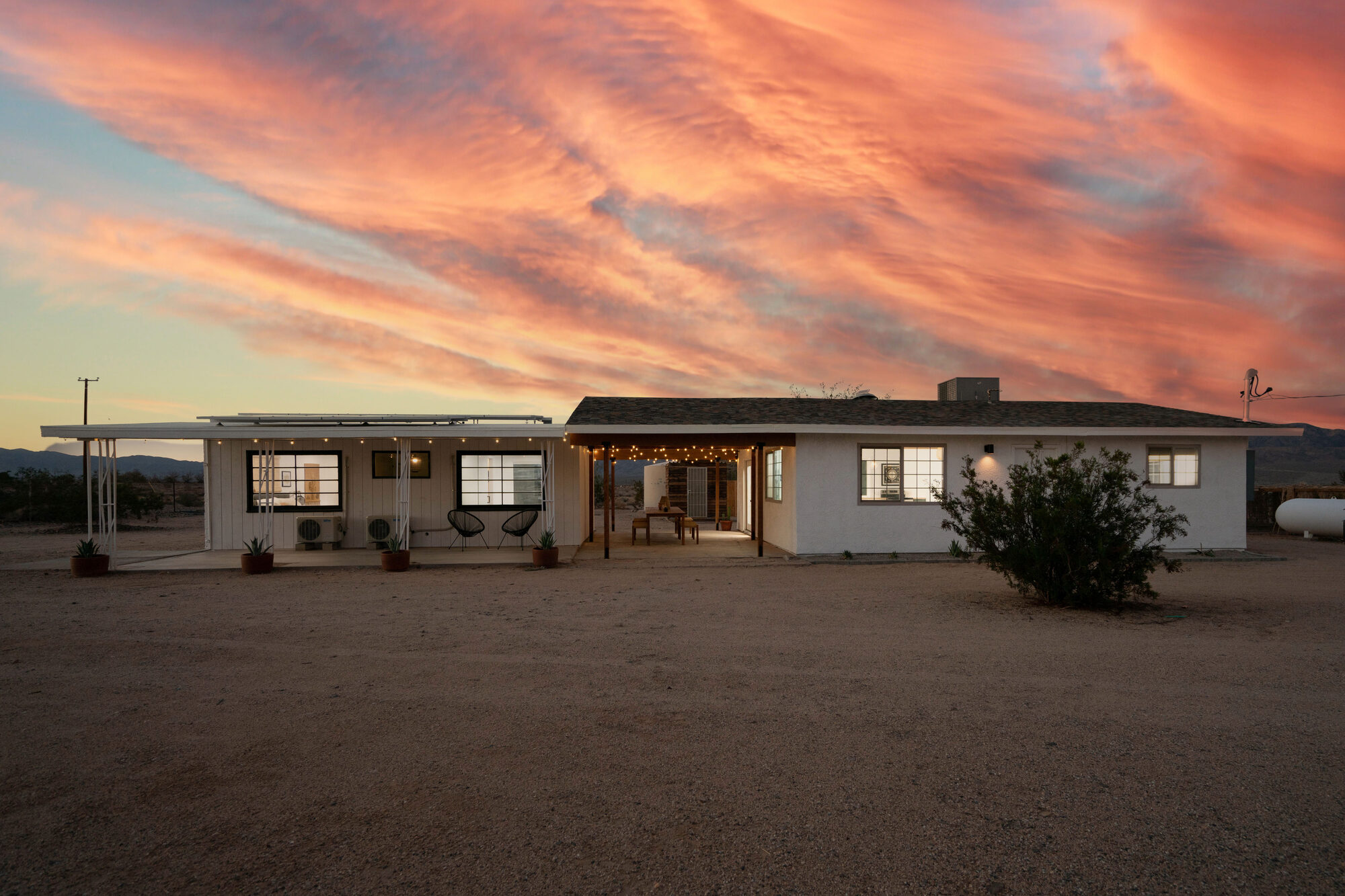
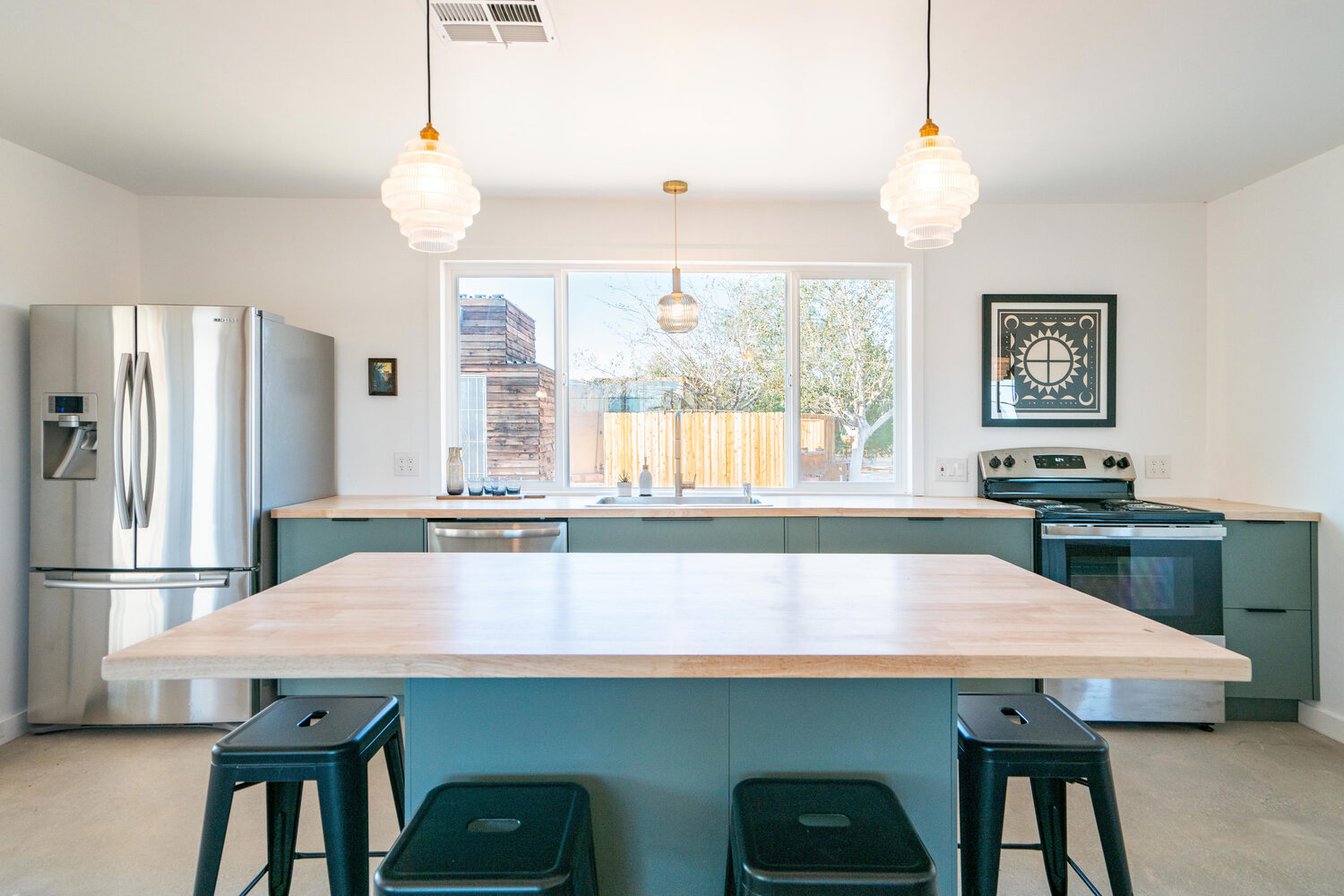
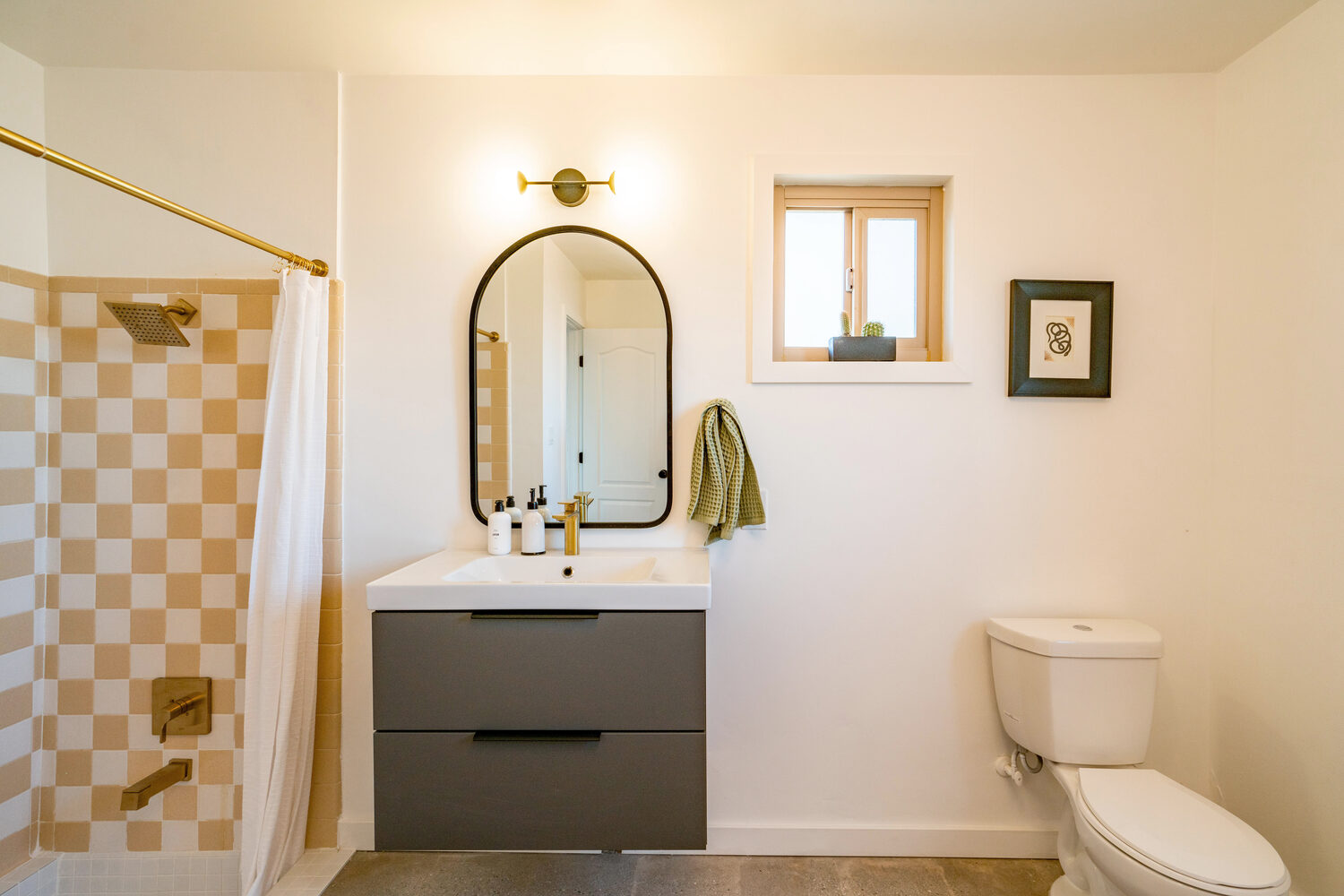
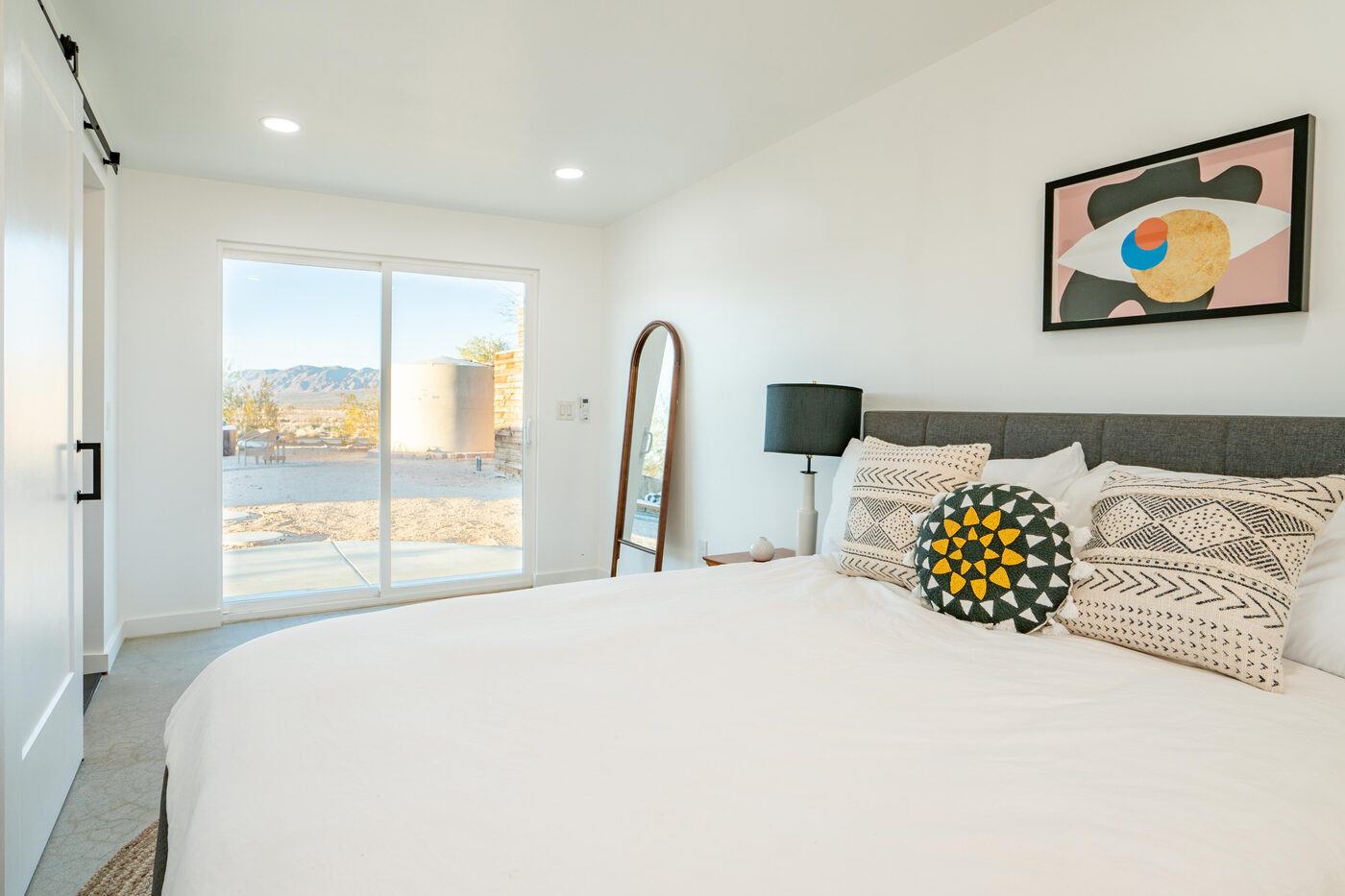
Years ago I took on a secluded property in the high desert — a tired cabin on land with nothing around it. On paper it was a hard sell. We reimagined it into a destination compound: the main house gutted and rebuilt, the guest house lifted, a shed turned into a self-contained desert bathhouse with an outdoor shower, a garage converted into a two-bedroom ADU with a standout bath, and windows placed to pull in the views. Few rentals like it existed in that market.
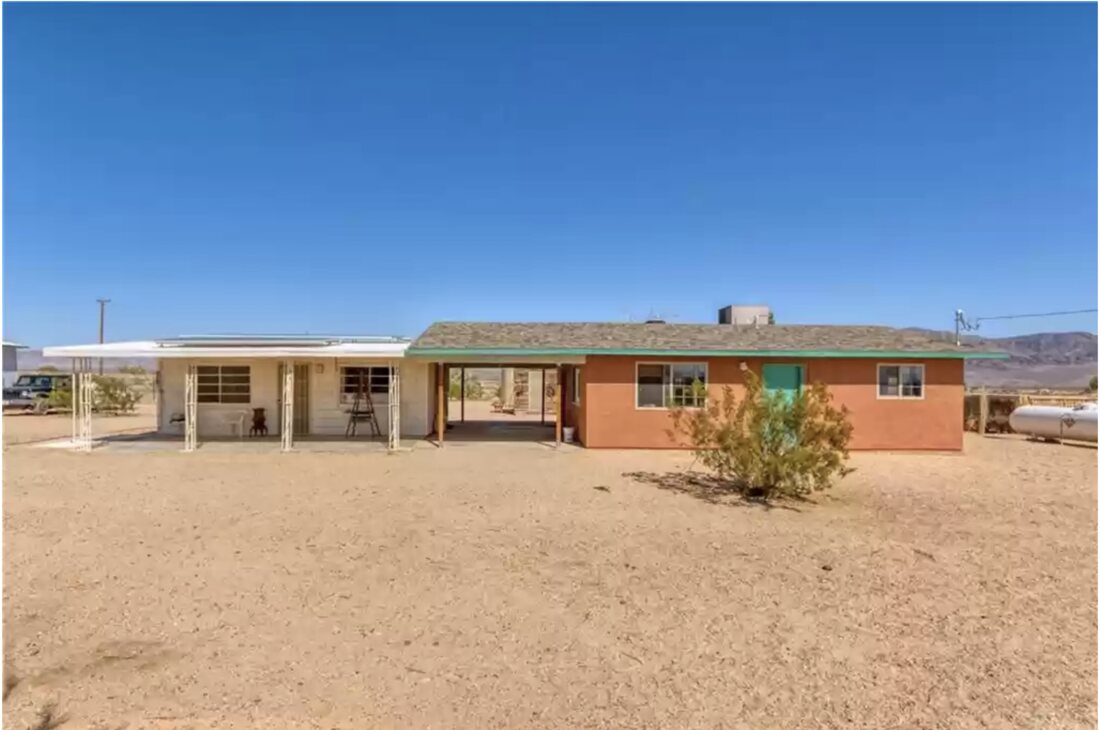 Before
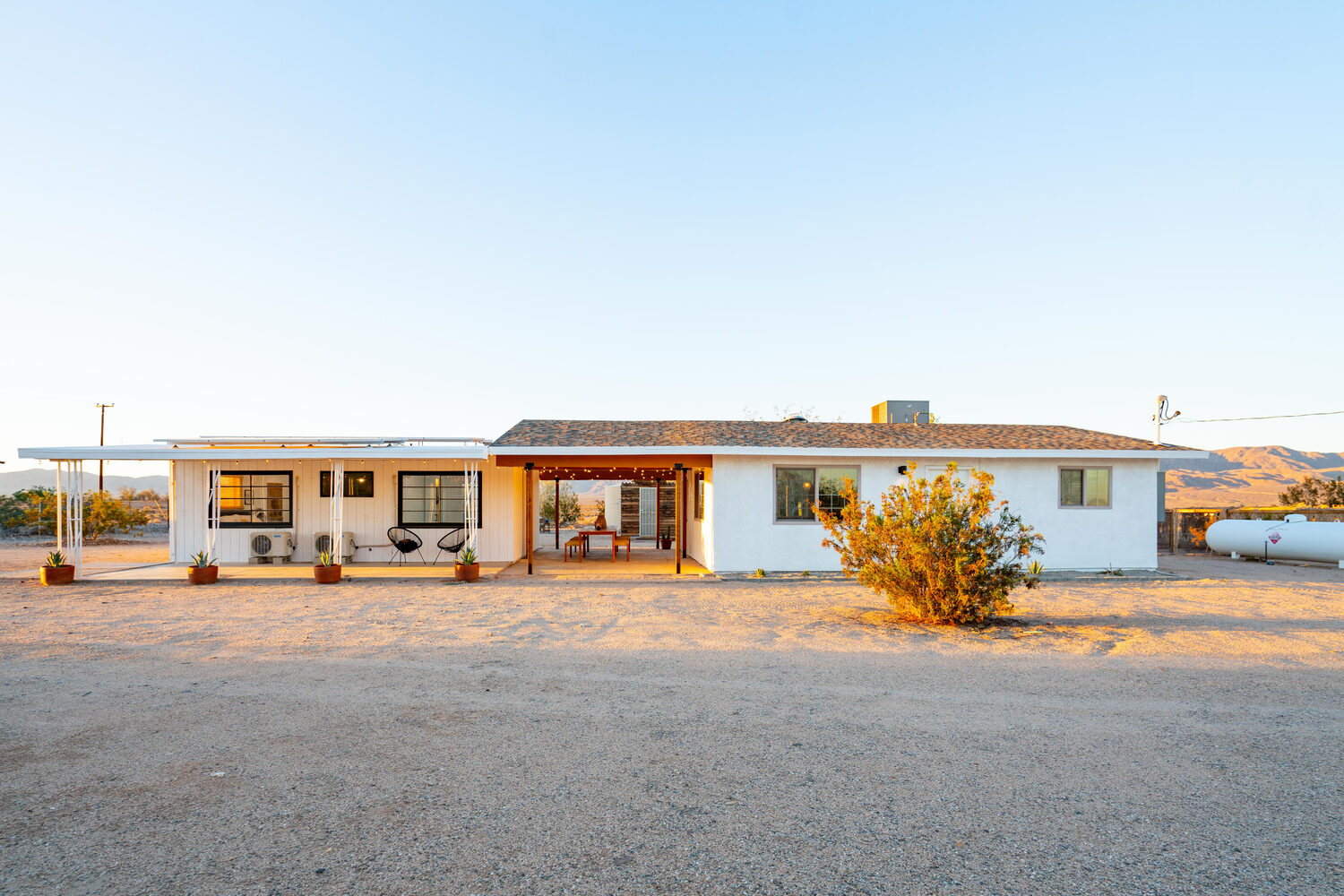 After
After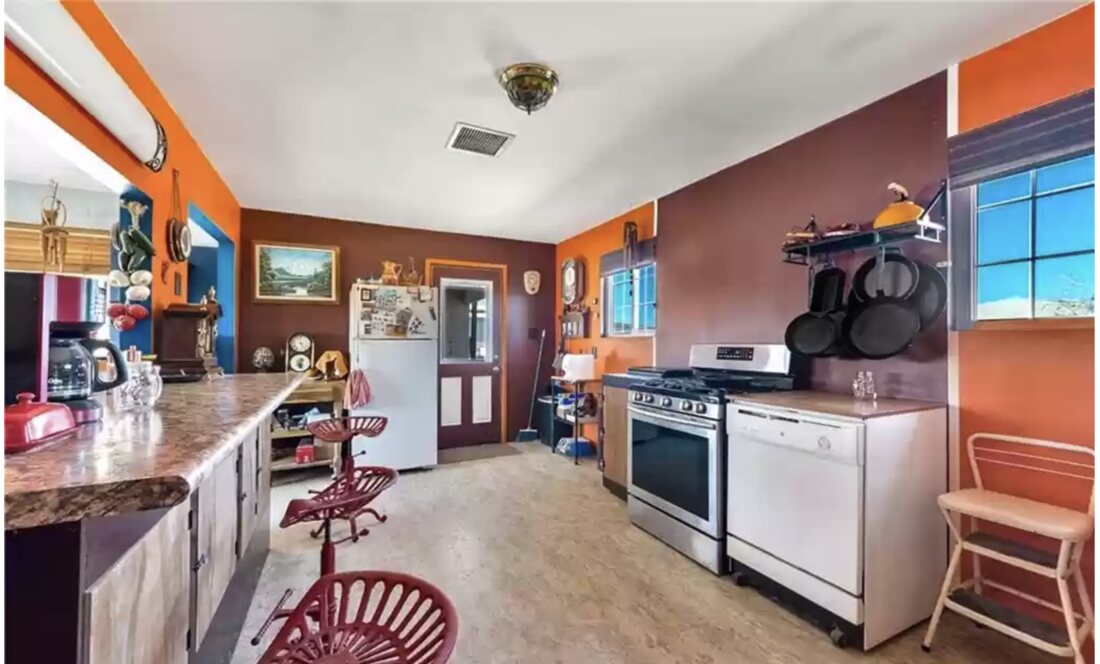 Before
 After
After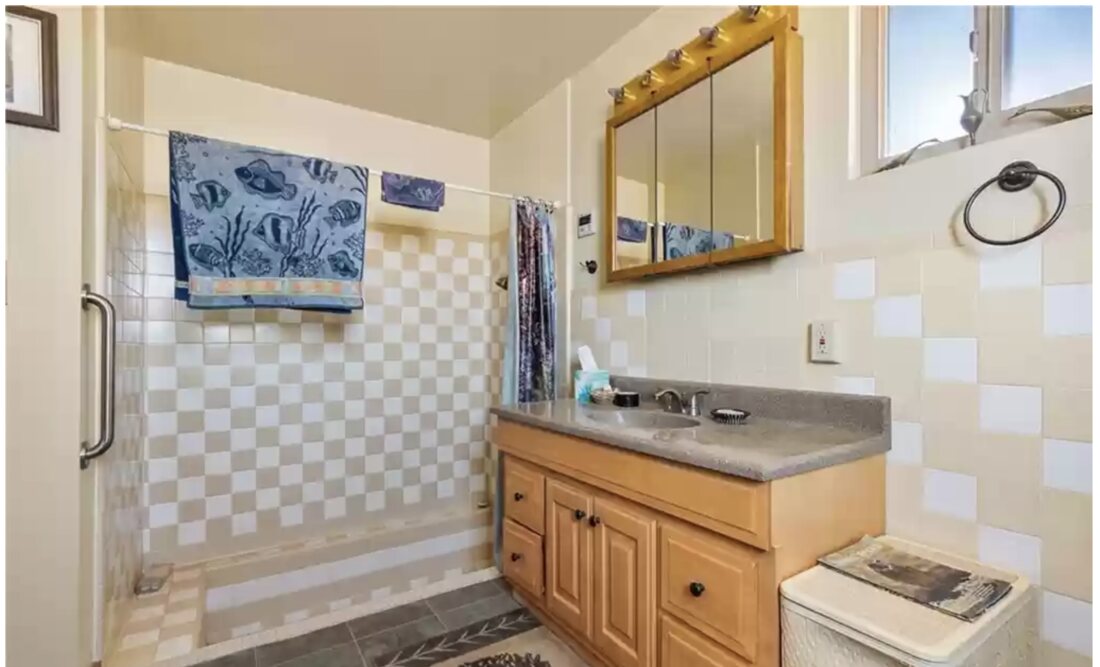 Before
 After
After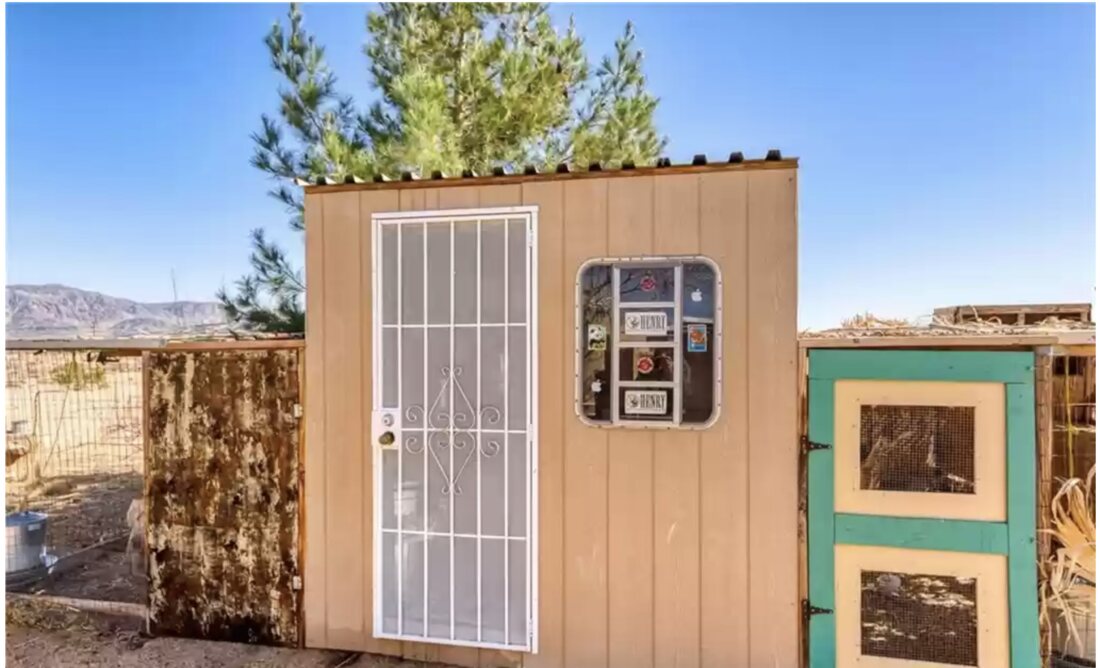 Before
 After
After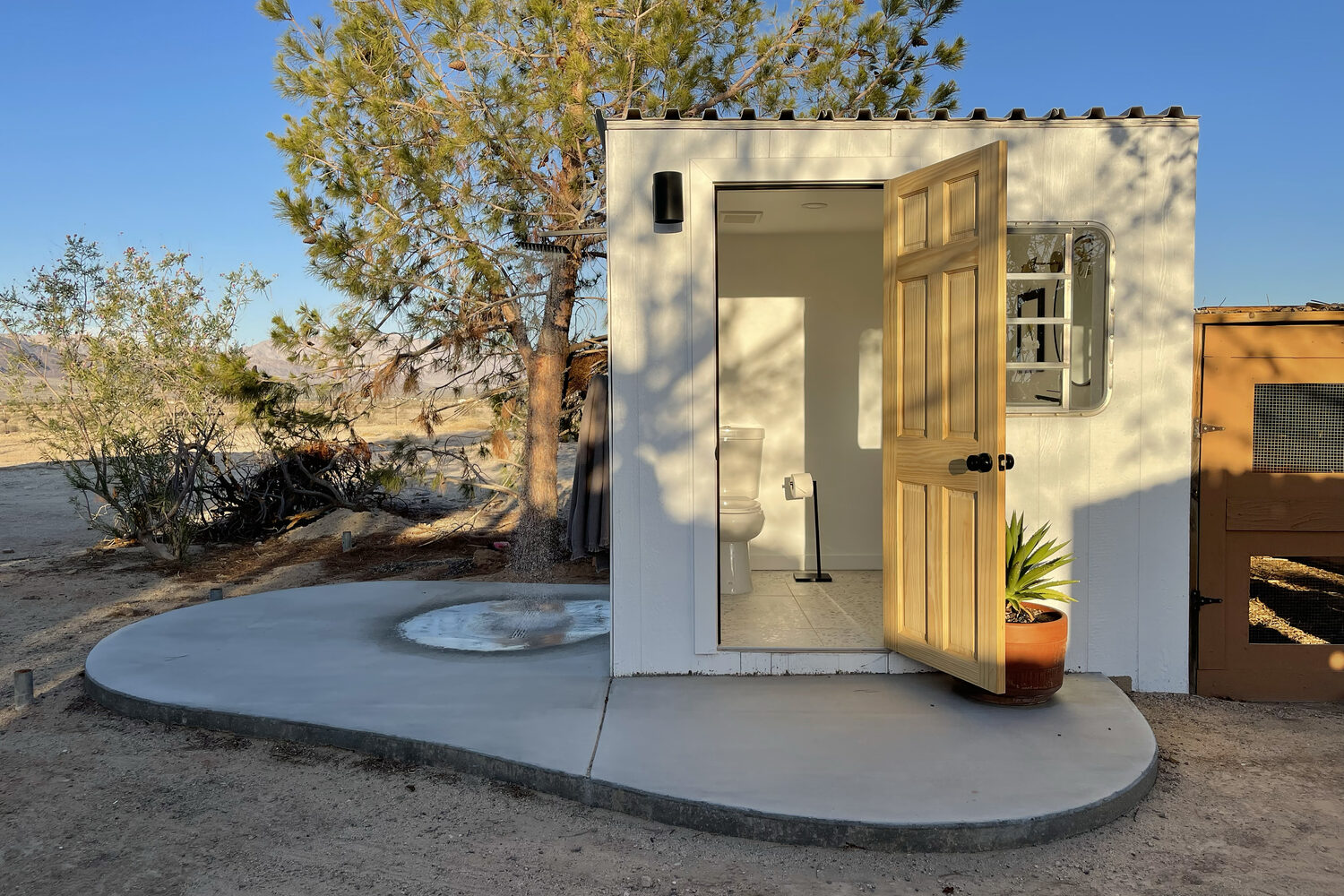
The garage did the heaviest lifting. A carport bay and a bare-slab room became a finished two-bedroom, one-bath ADU — the slab sealed, and a wall of sliders opening onto a newly poured concrete patio.
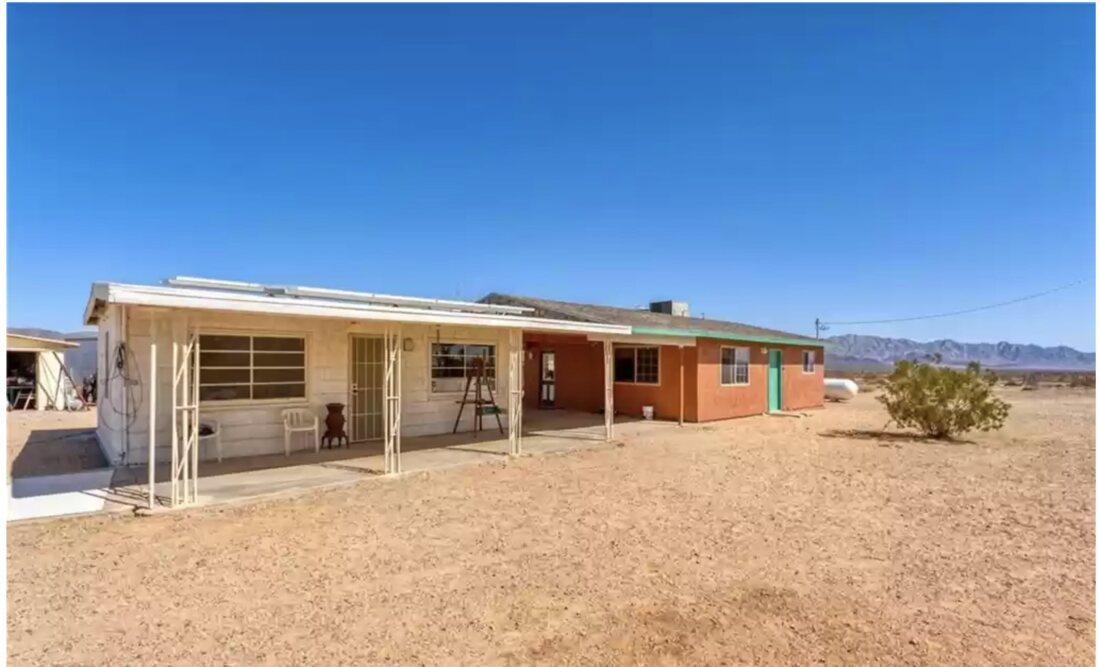 Before
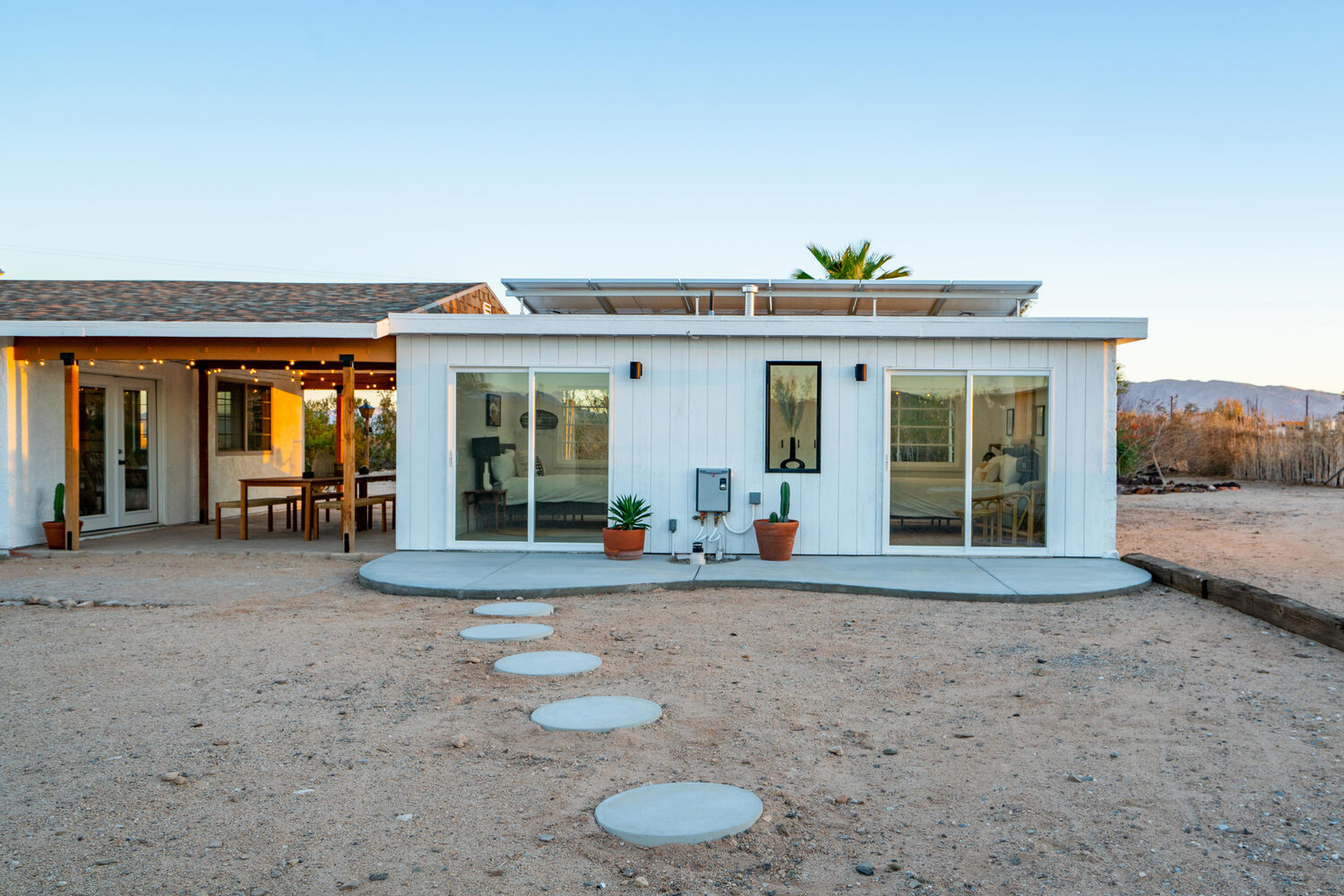 After
After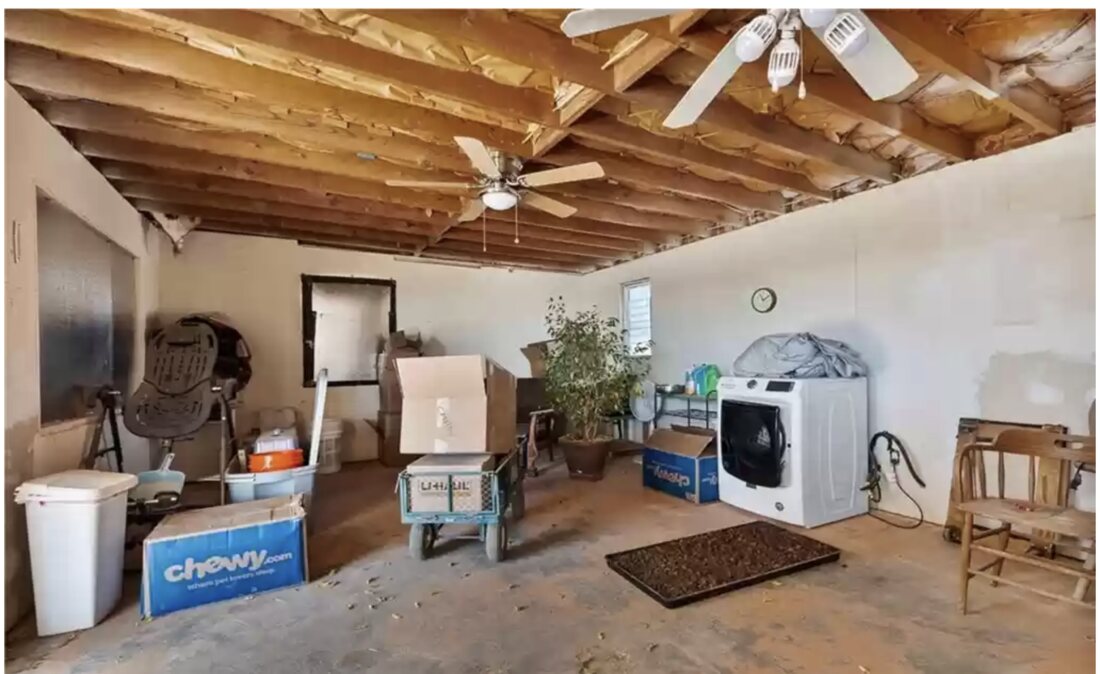 Before
 After
After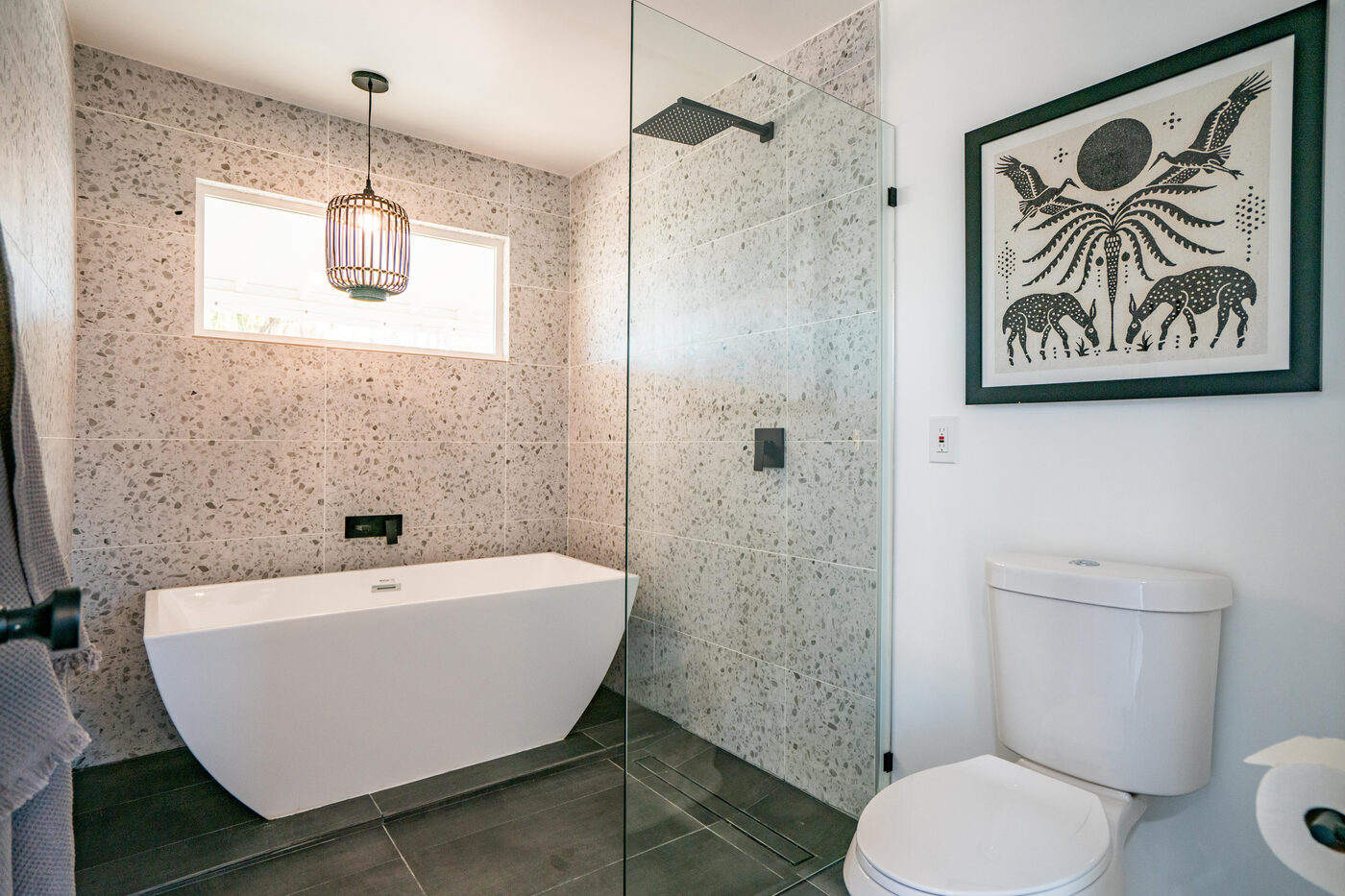
The margin-of-safety call wasn't a single projection. I underwrote it three ways at once — as a flip, as a short-term rental, and as a long-term rental — and built to a quality that would hold up across all three. A build that pays across multiple uses is a floor you can trust.
Then the market turned. Selling stopped being attractive, and the short-term rental market saturated fast. Two of the three exits lost their shine. But building for three uses had been the option all along, and the long-term rental was still live. My clients — investors already bruised by a down market — had no appetite for STR uncertainty in a flooded field, so they took the exit that remained. The property's appeal made for a quick lease-up. The same tenants have stayed for years, at full occupancy, with positive cash flow, and the quality of the build has meant almost no maintenance. The option that survived is the one that paid.
A base-case buyer who had underwritten that deal to one use and one exit would have been stranded when the market moved. The flexibility is what kept a turning market from doing them real harm.
The point
Uncertainty is not the enemy of return. It's the source of it — for the buyer equipped to bear it well. Define risk as the permanent loss it is. Buy at or below a floor you can defend. Price the options the seller isn't charging for. Structure so a bad outcome can't ruin you. Do that, and the future not being knowable stops being a reason to fear a deal and becomes the reason there's a return in it at all.
The number they show you is where the work starts. What you do with everything that number leaves out is where the return lives.
Looking at a specific property?
I run this on anything I show — the floor, the options, the downside — so the real picture is on the table before you commit, not after.
Frequently Asked Questions
What does "buy to the floor" mean?
It means underwriting a property to a conservative value you are confident in — real long-term rent, honest vacancy, and the capital expense you know is coming — and paying at or below that number. The gap between that floor and the price is your buffer against being wrong. Everything speculative becomes upside you did not pay for.
What is an embedded option in real estate?
A future choice a property gives you but never forces — the option to change its use (short-term rental, long-term rental, owner-occupied), add an ADU, force appreciation through improvement, or defer tax through a 1031 exchange. It has value because it pays off if conditions turn your way and costs nothing if they do not. Most pro-formas price these at zero, so a disciplined buyer often gets them cheap or free.
Isn’t the pro-forma the most important number in a deal?
It is where the decision starts, not where it ends. The seller’s pro-forma is the optimistic story, and the underlying financials are often incomplete or misleading. The number matters, but the return comes from what it leaves out — the risk nobody priced and the flexibility nobody charged for.
How do you get a return out of uncertainty instead of getting hurt by it?
Define risk correctly, as the permanent loss of capital rather than volatility. Buy with a margin of safety so being wrong does not ruin you. Price the options others miss. And structure the deal so no single bad outcome can wipe you out. Done that way, uncertainty is where the return lives — because the certain, measurable part is already in the price.
Where to next